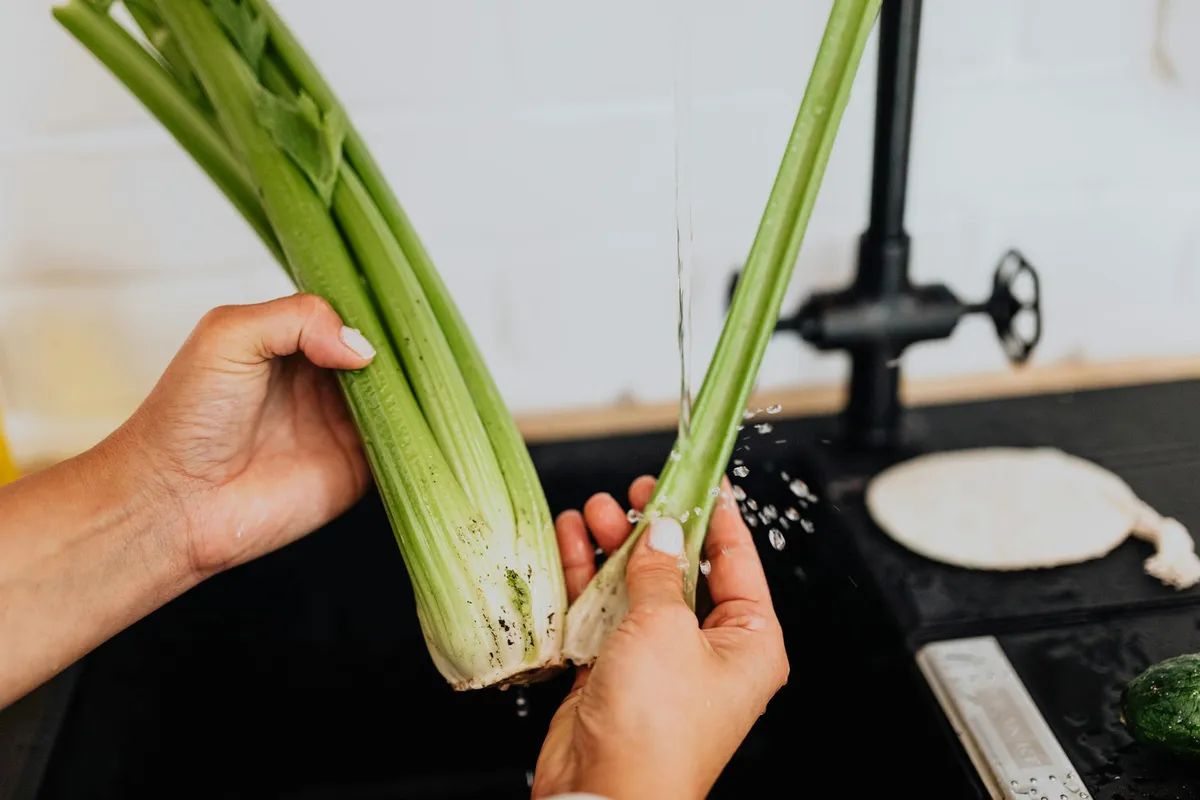
Official Storage Guidelines for Celery
🇺🇸 USDA Guidelines
🇬🇧 FSA Guidelines
Disclaimer: This information is provided for general guidance only. It is based on publicly available USDA and FSA recommendations at the time of publication. Storage times may vary depending on handling, packaging, and storage conditions. Always check official sources and use your best judgment to ensure food safety.
This guide contains Amazon affiliate links, marked ↗. If you buy through one, we may earn a commission at no extra cost to you. Learn more about affiliate links.
Frequently Asked Questions
Can I cook celery directly from frozen?
Yes, and you definitely should cook celery straight from the freezer without thawing it first. Adding frozen celery directly to hot soups, stews, sauces, and stir-fries actually gives you better results than thawing beforehand. The heat immediately softens the celery while preserving whatever texture remains. When you thaw frozen celery at room temperature or even in the fridge, you end up with a soggy mess that releases tons of excess water into your dish.
The University of California Davis Cooperative Extension backs this up, confirming that frozen vegetables maintain superior quality when cooked directly from frozen rather than being thawed first. For stocks and broths, toss frozen celery into cold water right at the start of simmering. For soups and stews, add it during the last 20-30 minutes of cooking so the flavors meld without the celery turning to mush. If you're stir-frying, you might want to partially thaw the celery for just a few minutes so it doesn't cool down your pan too much, but even then, work quickly and expect some extra moisture. Just avoid high heat initially or you'll get splattering as the ice melts.
Can celery be refrozen after thawed?
No, you really shouldn't refreeze celery once it's been thawed. The first freeze already damages the cell structure, turning crisp celery soft. A second freeze would absolutely destroy what little texture remains, leaving you with mushy, waterlogged celery that's basically unusable even in cooked dishes. Beyond the texture issue, there's a genuine food safety concern here.
Each time celery thaws, it spends time in what food safety experts call the "danger zone" - temperatures between 40°F and 140°F (4°C and 60°C) where bacteria multiply rapidly. Vegetables with high water content like celery are particularly vulnerable. If the celery sat at room temperature during thawing, bacterial growth accelerates even faster. Refreezing doesn't kill these bacteria, it just pauses their growth until the next thaw.
If you've got leftover thawed celery you won't use immediately, cook it first before refreezing. Cooking kills harmful bacteria, giving you a safer baseline. So you could make a big batch of soup with your thawed celery, then freeze individual portions of the finished soup. That works fine. But raw thawed celery going back into the freezer? That's asking for trouble and disappointing results.
Does celery freeze well?
Celery freezes reasonably well, but let's be honest about what changes. You will lose the crunch. There's no getting around it because celery is 95% water, and when water freezes, it expands into sharp ice crystals that puncture the rigid cell walls. Once thawed, the ice melts, water leaks out of those ruptured cells, and the structural integrity completely collapses. What you're left with is a stalk that bends easily with a softer, slightly rubbery texture.
Here's what doesn't change much - the flavor. Frozen celery surprisingly retains its grassy, peppery, slightly bitter aromatic profile really well. In cooked dishes where heat would soften the celery anyway (think soups, stews, sauces), you honestly can't tell the difference between fresh and frozen. The National Center for Home Food Preservation confirms that properly blanched and packaged celery maintains excellent nutritional value for up to 12 months, though texture gradually declines after 6 months.
The quality difference between blanched and unblanched frozen celery is huge. Blanched celery keeps for 10-12 months with minimal flavor loss. Unblanched celery starts developing off-flavors and gets mushier within just 2-3 months. So yeah, celery freezes well enough for its intended purpose - adding flavor and nutrition to cooked dishes. Just don't expect it to work for raw applications like salads or crudités platters.
Best containers to freeze celery
The best containers for freezing celery are rigid freezer-safe containers with tight-sealing lids or heavy-duty freezer bags designed specifically for long-term storage. You want something that creates an airtight seal and prevents moisture loss, which causes that annoying freezer burn. Vacuum-sealed bags are honestly the gold standard - they extend shelf life by 25-30% compared to regular containers because they completely eliminate air exposure. Worth the investment if you freeze celery regularly.
For rigid containers, look for BPA-free plastic or tempered glass designed for freezer use. Glass containers like mason jars work beautifully and won't absorb odors or stains, but leave about half an inch of headspace at the top since celery contains moisture that expands when frozen. Heavy-duty freezer bags (the thick ones, not regular sandwich bags) work great too. Squeeze out as much air as possible before sealing, or use the water displacement method - submerge the bag in water up to the seal, which forces air out, then zip it closed.
Here's a pro tip: portion your celery into recipe-sized amounts before freezing. Use multiple smaller containers or bags rather than one giant container. This way you grab exactly what you need without exposing the entire batch to temperature changes. Label everything clearly with the date and whether it's blanched or unblanched. Store containers in the coldest part of your freezer, away from the door where temperature fluctuates every time you open it. Some folks swear by silicone freezer bags as a reusable, eco-friendly option that works just as well as disposable bags.
Best uses for celery after thawed
Frozen-thawed celery shines in any application where you're cooking it until soft anyway. Soups are probably the number one use - minestrone, chicken noodle, vegetable soup, you name it. The celery releases its flavor beautifully into the broth and the soft texture doesn't matter one bit. Stocks and broths are another perfect match. Toss frozen celery straight into the pot with carrots and onions for classic mirepoix that forms the flavor base of countless dishes.
Stews, casseroles, and slow-cooker meals all work wonderfully with frozen celery. The long cooking time means fresh celery would get soft anyway, so frozen gives you identical results with way more convenience. Sauces like Bolognese, marinara with vegetables, or cream-based pasta sauces benefit from that celery flavor without needing the crunch. Stir-fries can work too, though you might get a bit more moisture than you'd expect, so cook it down until excess water evaporates.
Here's something people don't think about - frozen celery is fantastic in smoothies and juices. Blend it with kale, spinach, apple, and ginger for a nutritious green drink where texture is completely irrelevant. You can also use frozen celery for making homemade vegetable stock, stuffing (Thanksgiving game-changer right there), meat loaves, shepherd's pie, and pot pies. Basically, if the recipe has you sautéing the celery or simmering it for more than 10 minutes, frozen works perfectly. Skip frozen celery for raw applications - salads, crudité platters, ants on a log, garnishes requiring crunch - because the texture will seriously disappoint.
Celery Freezing and Storage Guide
Absolutely, celery freezes remarkably well when properly prepared. The catch? It won’t retain that satisfying snap you get from fresh stalks. Celery is 95% water, and when frozen, ice crystals form and rupture the cell walls. Once thawed, you’re left with softer stalks that bend instead of break. But here’s the thing - for cooked applications, you honestly won’t notice the difference.
The secret to successful celery freezing is blanching. This quick 3-minute dip in boiling water followed by an ice bath stops enzyme activity that would otherwise cause flavor loss and discoloration. Blanched celery keeps its vibrant color and grassy, peppery flavor for up to a year in the freezer. Skip the blanching step, and you’re looking at 2-3 months before quality really starts dropping off.
Chop celery into the size you normally cook with, usually half-inch pieces for soup or a small dice for sauces. Tray-freezing first prevents one solid block. Once firm, transfer it to airtight freezer packaging, remove excess air, label it, and cook it straight from frozen. Pair it with frozen carrots and onions for a ready-to-cook mirepoix; keep fresh celery for salads and raw snacks.
How to Freeze Celery Step by Step
- Choose crisp, tender stalks. Wash them thoroughly, remove damaged areas and pull away coarse strings if necessary.
- Trim the base and leaves, then cut the stalks into roughly 1-inch (2.5 cm) lengths or the dice your recipes require.
- For longer-lasting quality, lower the pieces into vigorously boiling water. Once the water returns to a boil, blanch for 3 minutes, the time specified by the National Center for Home Food Preservation.
- Move the celery immediately into ice water for about 3 minutes. Drain very well; surface water becomes excess ice.
- Spread pieces on a tray and freeze until firm, then package airtight. Tray freezing is optional, but it lets you pour out a handful at a time.
Can You Freeze Celery Without Blanching?
Yes, if convenience matters more than long storage quality. Blanching is not what makes celery safe: it slows enzyme-driven changes in color, flavor and texture. Unblanched chopped celery is therefore reasonable for a short-term mirepoix bag, while blanched celery is the better choice for a large harvest intended to last many months. Label the two methods separately so you use the raw-frozen batch first.
Celery leaves can be frozen too. Wash and dry them, chop them, then tray-freeze or pack them in small recipe portions. Their texture collapses, but they still contribute flavor to chicken stock, stew and sauce.
How to Use Frozen Celery
Do not thaw it for soup or stock. Add it frozen so the released moisture becomes part of the dish. For sautéing, start it in a wide pan and allow the water to evaporate before expecting browning. Thawed celery is unsuitable for ants-on-a-log, crudités, stuffing that depends on crisp pieces, or fresh salad. Softness and water release are expected freeze–thaw damage, not evidence of spoilage; an off odor, mold or sliminess is different and warrants discarding it.
Editor's Picks
Gear Worth Buying for Celery
Stasher Stand-Up Mid Reusable Silicone Bag (56 oz)
A premium, reusable stand-in for disposable freezer bags - freezer, oven, and dishwasher safe.
Shop on AmazonRubbermaid Brilliance Airtight Food Storage Containers, 24-Piece Set
A complete, leak-proof set that covers nearly any portion size this guide calls for.
Shop on Amazon
As an Amazon Associate, we earn from qualifying purchases.
Important Safety Guidelines
- Store celery at 32-36°F (0-2°C) in the refrigerator with high humidity to maintain freshness and prevent bacterial growth.
- Blanch celery for exactly 3 minutes in boiling water before freezing to deactivate enzymes that cause deterioration, then immediately plunge into ice water for 3 minutes to halt the cooking process.
- Freeze celery at 0°F (-18°C) or below and maintain consistent freezer temperature to prevent freezer burn and quality loss.
- Never refreeze thawed celery as this accelerates texture breakdown and creates food safety risks by allowing bacterial growth during the thaw-freeze cycles.
- Always cook frozen celery directly from frozen when adding to hot dishes - thawing first promotes bacterial growth and creates excessive moisture that compromises texture.
- Discard any celery showing signs of spoilage including slimy texture, strong unpleasant odors, significant discoloration (yellow, brown, or black patches), or visible mold growth.
- Wash celery thoroughly before freezing to remove dirt and debris, but ensure stalks are completely dry before packaging to prevent ice crystal formation.
- Use airtight, moisture-proof containers or heavy-duty freezer bags with all air expelled to prevent freezer burn and flavor transfer from other foods.
- Label all frozen celery with the date and blanching method used, rotating stock to use oldest packages first within the recommended timeframe.
- Keep frozen celery away from the freezer door where temperature fluctuations occur, storing it in the coldest part of your freezer for maximum shelf life.
Key Safety Reminders
- Always label containers with freezing date
- Use airtight containers to prevent freezer burn
- Follow proper thawing procedures
You Might Also Like
Can You Freeze Arugula?
Yes, you can freeze arugula (also called rocket in the UK, Ireland, Australia, and much of Europe - same plant, different name), but only for cooked uses. Blanch the leaves briefly, dry them well, and freeze for about 6-8 months of good quality in soups, sautés, and pasta dishes. Raw arugula wilts into a soggy, limp mess when frozen and thawed, so it's never coming back for salads. If you'd rather skip that texture loss altogether, blending arugula into pesto before freezing gives a noticeably better result than freezing the whole leaves.
Can You Freeze Asparagus?
Yes, you can freeze asparagus, but blanching first makes a real difference. Blanched and frozen properly, asparagus holds good quality for 8-12 months and works well in soups, stir-fries, and roasted side dishes. Skip the blanch and it'll still be safe to eat, but it fades in color and flavor within a month or two and turns noticeably tougher. Either way, frozen asparagus loses its raw crunch, so it's a cooked-dish ingredient from here on, not a salad or crudité one.

Can You Freeze Basil?
Yes, you can freeze basil. Whole leaves, chopped water cubes, oil cubes, and pesto all work, but thawed leaves become dark and limp rather than salad-fresh. Freeze clean, dry basil promptly and use it in sauces, soups, pasta, pizza, and pesto within about 4 to 6 months for the best flavor.
Can You Freeze Bean Sprouts?
Yes, you can freeze bean sprouts, but blanch them briefly first (they turn very watery and limp otherwise) and use them within 2-3 months for cooked dishes only - freezing doesn't bring back their crunch. More importantly: bean sprouts are one of the higher food-safety-risk vegetables you can buy, raw or frozen, because the warm, humid conditions that make seeds sprout also let bacteria like Salmonella and E. coli grow. Freezing pauses that bacterial growth but does not kill it - a July 2025 CDC/FDA investigation into Salmonella-contaminated frozen sprouted beans is a real, recent reminder of exactly that.
Sources & References
This information is based on official guidelines from trusted food safety authorities:
Cold Food Storage Chart - FoodSafety.gov
View Source →Freezing Celery
View Source →How to chill, freeze and defrost food safely
View Source →
About the Author

Disclaimer
The information on this website is provided for general informational purposes only. While we work to keep our food storage and freezing guides accurate and current, we are not food safety professionals, nutritionists, or medical experts, and our recommendations may not account for every individual circumstance, product type, or storage condition.
Always consult official food safety guidance (such as your national food safety agency) and use your own judgment before consuming stored or frozen food. CanIFreeze.com assumes no responsibility or liability for any loss, damage, illness, or other adverse outcome resulting from reliance on the information provided on this site.
CanIFreeze.com is a participant in the Amazon Associates Program, an affiliate advertising program designed to provide a means for sites to earn advertising fees by linking to Amazon.com and its affiliated sites. As an Amazon Associate we earn from qualifying purchases made through links on this site, at no extra cost to you. Product links are clearly marked where they appear.
Disclaimer date: