
Official Storage Guidelines for Cookie Dough
🇺🇸 USDA Guidelines
🇬🇧 FSA Guidelines
Disclaimer: This information is provided for general guidance only. It is based on publicly available USDA and FSA recommendations at the time of publication. Storage times may vary depending on handling, packaging, and storage conditions. Always check official sources and use your best judgment to ensure food safety.
This guide contains Amazon affiliate links, marked ↗. If you buy through one, we may earn a commission at no extra cost to you. Learn more about affiliate links.
Frequently Asked Questions
Can I bake cookie dough directly from frozen?
Yes, you can totally bake most cookie dough straight from the freezer, and honestly, it's one of the best features of freezing dough in the first place.
This works especially well if you've already portioned your dough into individual cookie balls before freezing them. Just place the frozen dough balls on your baking sheet and pop them in the oven.
You'll typically need to add just 1 to 2 extra minutes to your normal baking time, though thicker cookies might need 3 minutes more. The dough doesn't need to thaw at all - the oven heat will do all the work.
This method is perfect for drop cookies like chocolate chip, oatmeal, or peanut butter varieties.
However, if you're working with rolled cookie dough for cut-out shapes like sugar cookies or gingerbread, you'll want to thaw those in the fridge first so they're soft enough to roll and cut. Some bakers actually prefer baking from frozen because the cookies spread less and hold their shape better, giving you thicker, chewier results.
Can cookie dough be refrozen after thawed?
This is where things get tricky, and the answer depends on how you handled the dough. Technically, you should not refreeze raw cookie dough after it's been thawed because of food safety concerns with the raw eggs and flour.
Once thawed, those ingredients enter the temperature danger zone where bacteria can grow, and refreezing won't kill any bacteria that may have developed. However, there's a workaround - if you've thawed your dough in the refrigerator and it stayed cold the whole time (never sat at room temperature), you could bake the cookies and then freeze the baked cookies instead.
The USDA says you can freeze food again once it's been cooked, which makes the baked route much safer. If you think you might not use all your dough at once, the smartest move is to freeze it in smaller portions from the start. That way, you only thaw exactly what you need for each baking session. Remember, once cookie dough is fully thawed, use it within 24 hours and never let it sit out at room temperature for more than 2 hours.
Does cookie dough freeze well?
Cookie dough freezes exceptionally well, which is why so many bakeries and home bakers rely on this method. Most standard cookie recipes - we're talking chocolate chip, oatmeal, peanut butter, sugar cookies, shortbread - freeze beautifully and maintain their quality for about 2 to 3 months.
The key is that these doughs have enough fat content (butter, oil) which helps them stay soft and scoopable even when frozen. In fact, freezing can actually improve your cookies in some ways. The cold allows fats to solidify and flavors to meld together, which often results in cookies with better texture and more developed taste.
Some bakers swear their frozen dough makes better cookies than fresh. That said, not every dough is freezer-friendly. Recipes that rely on whipped egg whites (like macarons) tend to fall flat because the air bubbles collapse during freezing. Doughs with fresh fruit pieces or cream cheese swirls can get watery or grainy. For these trickier recipes, you're better off freezing the baked cookies instead of the raw dough. Overall, if you're working with a standard drop cookie or slice-and-bake recipe, freezing is definitely the way to go.
What are the best containers to freeze cookie dough?
The best containers for freezing cookie dough really depend on how you plan to use it, but the golden rule is airtight storage to prevent freezer burn and keep those weird freezer smells out.
For portioned cookie balls, the flash-freeze method works wonderfully - arrange your scooped dough balls on a parchment-lined baking sheet, freeze until solid (about 2 hours), then transfer them to heavy-duty freezer bags or rigid plastic containers.
Squeeze out as much air as possible from bags before sealing. This method keeps the balls from sticking together and lets you grab exactly how many cookies you want to bake.
For slice-and-bake logs, wrap the dough tightly in plastic wrap first, then slide it into a freezer bag for double protection.
Rigid containers with tight-fitting lids work great for any dough type and stack nicely in the freezer. Some bakers love using vacuum-sealed bags if they have the equipment, as these remove all the air and give maximum protection.
Whatever you choose, always label everything with the date and cookie type so you're not playing freezer roulette six weeks later.
What are the best uses for cookie dough after thawing?
Once you've thawed your cookie dough, the possibilities go way beyond just baking a standard batch of cookies, though that's obviously the main event.
If you've thawed the dough in the refrigerator (which you absolutely should for safety), you can bake it according to your original recipe instructions. But here's where it gets fun - thawed cookie dough can become the base for all kinds of creative treats. Press it into a pie pan or cake pan to make cookie bars or blondies, which are great for potlucks because you can cut them into neat squares.
You can also use thawed sugar cookie or shortbread dough to make thumbprint cookies by pressing your thumb into each ball and filling the indent with jam or chocolate after baking. Some people mix in extra goodies after thawing - like nuts, dried fruit, or different types of chocolate chips - to create entirely new flavor combinations.
Thawed dough can also be used as a crust for cheesecake bars or pressed into muffin tins to make cookie cups that you fill with ice cream or pudding. Just remember that once thawed, you need to use the dough within 24 hours and bake it thoroughly to kill any bacteria from the raw eggs and flour. Whatever you make, the key is getting that dough into a hot oven and cooked all the way through.
Cookie Dough Freezing and Storage Guide
Absolutely, freezing cookie dough is one of the smartest things any baker can do. Whether you’ve mixed up a huge batch of chocolate chip dough or bought those convenient tubes from the grocery store, the freezer is your best friend for extending shelf life way beyond what the fridge can offer.
How to Portion and Freeze Cookie Dough
Here’s the thing - when you freeze cookie dough properly, you’re basically hitting pause on time. The cold temperatures keep those raw ingredients (yeah, the eggs and flour we need to talk about) safe from bacterial growth, though freezing pauses bacteria rather than killing them, so the dough still has to be baked fully in the end. Most standard cookie doughs like chocolate chip, oatmeal, and peanut butter freeze beautifully for about 2 to 3 months without losing their magic. For storing the dry ingredient itself, the advice is different: read the sugar storage and freezing guide.
Baking Cookie Dough from Frozen
How Long Cookie Dough Lasts in the Freezer
The cool part? Frozen dough often bakes up just as good, sometimes even better, than fresh dough. Chilling allows the fats to solidify and the flavors to develop, which means your cookies might spread less and taste more complex. You can portion the dough into individual balls before freezing, then bake straight from the freezer by just adding a minute or two to your usual baking time. Talk about convenient - fresh-baked cookies whenever you want them without all the prep work each time.
Editor's Picks
Gear Worth Buying for Cookie Dough
Stasher Stand-Up Mid Reusable Silicone Bag (56 oz)
A premium, reusable stand-in for disposable freezer bags - freezer, oven, and dishwasher safe.
Shop on AmazonRubbermaid Brilliance Airtight Food Storage Containers, 24-Piece Set
A complete, leak-proof set that covers nearly any portion size this guide calls for.
Shop on Amazon
As an Amazon Associate, we earn from qualifying purchases.
Important Safety Guidelines
- Never eat raw cookie dough, even when frozen, because it contains uncooked flour and raw eggs that can harbor harmful bacteria like E. coli and Salmonella that freezing does not kill.
- Always prepare cookie dough with clean hands and sanitized equipment, washing all surfaces, bowls, and utensils thoroughly with hot soapy water after handling raw ingredients.
- Store cookie dough at 40ºF (4ºC) or below in the refrigerator, and freeze at 0ºF (-18ºC) to properly inhibit bacterial growth and maintain food safety.
- Cool freshly made cookie dough in the refrigerator for about 30 minutes before transferring to the freezer to prevent ice crystal formation from trapped steam.
- Use airtight containers or heavy-duty freezer bags with as much air pressed out as possible to prevent freezer burn and protect the dough from absorbing other food odors.
- Label all frozen cookie dough packages with the date frozen, type of cookie, and baking instructions so you can track freshness and use older dough first.
- Thaw frozen cookie dough in the refrigerator, never at room temperature, to keep it in the safe temperature zone and use within 24 hours after fully thawing.
- Keep raw cookie dough separate from ready-to-eat foods during storage and preparation since flour can spread easily as a powder and contaminate nearby items.
- Check store-bought cookie dough packaging for specific freezing and baking instructions, as some commercial products contain preservatives that may affect storage recommendations.
- Bake all cookie dough thoroughly to internal temperatures that kill bacteria - this is the only way to make raw ingredients safe for consumption, and partially defrosted dough may not cook evenly.
Key Safety Reminders
- Always label containers with freezing date
- Use airtight containers to prevent freezer burn
- Follow proper thawing procedures
You Might Also Like
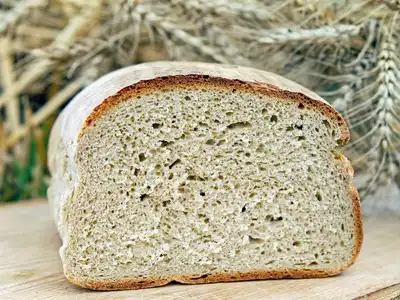
Can You Freeze Bread?
Yes, bread is one of the best foods you can freeze - in fact, freezing is the single best way to store bread beyond a day or two, better than the counter and much better than the fridge. Wrapped well and frozen at 0°F (-18°C), a loaf holds its texture and flavor for 3-5 months, and slices go straight from freezer to toaster with no real quality hit. The one thing freezing can't fix is bread that's already stale or moldy going in, so freeze it while it's fresh, not as a last resort.
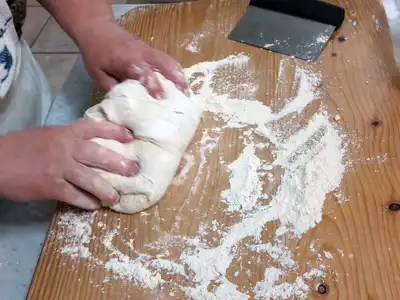
Can You Freeze Bread Dough?
Yes, you can freeze yeast bread dough, but home-frozen dough may rise less than fresh dough because slow freezing damages yeast and weakens gluten. For the most predictable result, use a freezer-dough recipe, freeze shaped portions after the first rise, seal them well, and use them within 1 month.
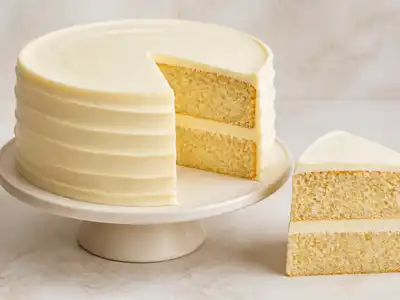
Can You Freeze Cake?
Yes, you can freeze cake, and for most types it works very well. Plain or buttercream-frosted cake holds good quality for roughly 3 to 6 months in the freezer, while cakes topped with egg-white frostings, custard fillings, or fondant hold up far worse and are better off frozen plain. Layer cakes, sponge cakes, and sheet cakes all freeze the same basic way: cool completely, wrap airtight in a rigid container so nothing gets crushed, and keep the freezer at 0°F (-18°C) or below. Cheesecake behaves differently enough, thanks to its dense dairy filling, that it's worth checking the dedicated cheesecake freezing guide rather than treating it like an ordinary cake.

Can You Freeze Cheesecake?
Yes, you can freeze cheesecake for up to 3 months with excellent results. The high fat content from cream cheese makes it ideal for freezing. Wrap it tightly after chilling to prevent freezer burn, and always thaw in the refrigerator overnight. Skip adding toppings until after thawing for best quality.
Sources & References
This information is based on official guidelines from trusted food safety authorities:
What is the shelf life of cookie dough?
View Source →Raw Flour and Dough
View Source →How to chill, freeze and defrost food safely
View Source →Flour Is a Raw Food and Other Safety Facts
View Source →Raw cookie dough and raw flour can cause foodborne illness
View Source →
About the Author

Disclaimer
The information on this website is provided for general informational purposes only. While we work to keep our food storage and freezing guides accurate and current, we are not food safety professionals, nutritionists, or medical experts, and our recommendations may not account for every individual circumstance, product type, or storage condition.
Always consult official food safety guidance (such as your national food safety agency) and use your own judgment before consuming stored or frozen food. CanIFreeze.com assumes no responsibility or liability for any loss, damage, illness, or other adverse outcome resulting from reliance on the information provided on this site.
CanIFreeze.com is a participant in the Amazon Associates Program, an affiliate advertising program designed to provide a means for sites to earn advertising fees by linking to Amazon.com and its affiliated sites. As an Amazon Associate we earn from qualifying purchases made through links on this site, at no extra cost to you. Product links are clearly marked where they appear.
Disclaimer date: