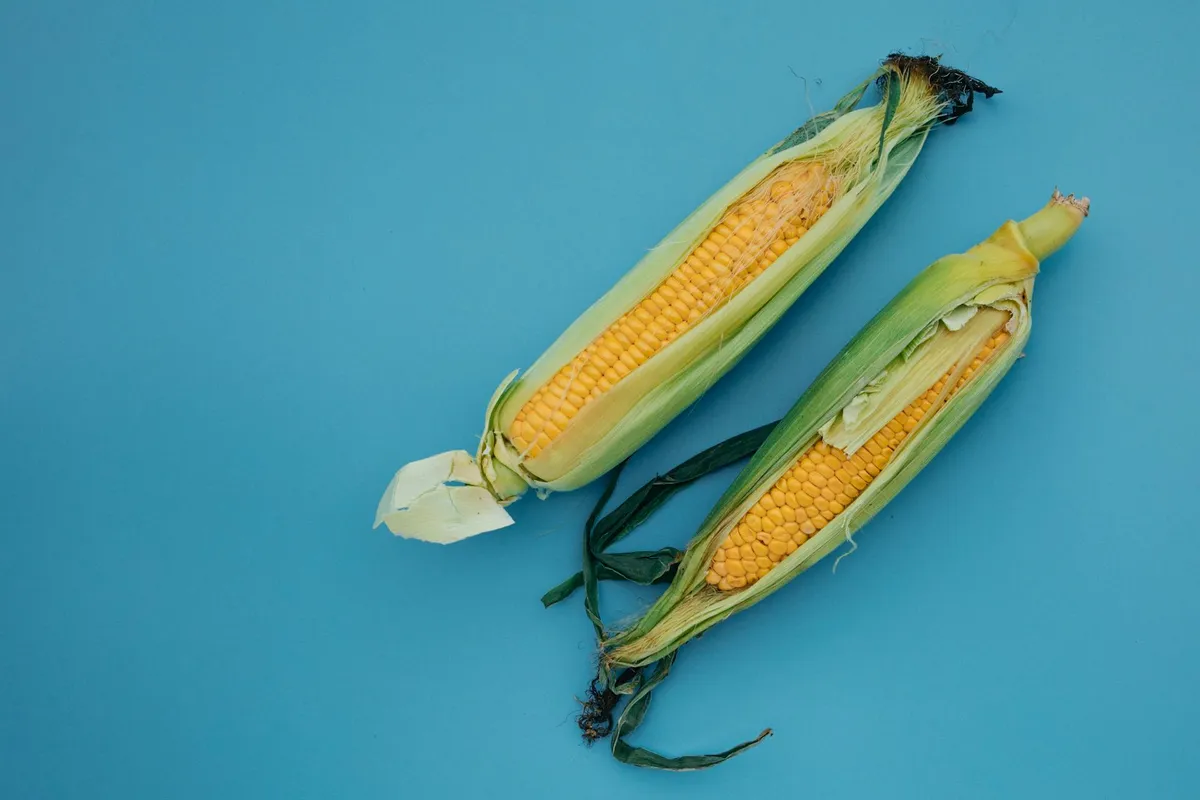
Official Storage Guidelines for Corn on the Cob
🇺🇸 USDA Guidelines
🇬🇧 FSA Guidelines
Disclaimer: This information is provided for general guidance only. It is based on publicly available USDA and FSA recommendations at the time of publication. Storage times may vary depending on handling, packaging, and storage conditions. Always check official sources and use your best judgment to ensure food safety.
This guide contains Amazon affiliate links, marked ↗. If you buy through one, we may earn a commission at no extra cost to you. Learn more about affiliate links.
Frequently Asked Questions
Can I cook corn on the cob directly from frozen?
Yes, and it's actually the preferred method for maintaining the best texture. Frozen corn on the cob has already been blanched during preparation, which means it's partially cooked. You can drop frozen ears straight into boiling water for 5 to 7 minutes until heated through and tender. The key is not to overcook them since they only need reheating, not full cooking from raw. Some people make the mistake of thawing first, which makes the kernels absorb excess water and turn soggy.
For grilling, you'll want to thaw the corn first, but there's a trick to it. Thaw in the refrigerator overnight or use the cold water method by submerging the sealed package in cold water for about 30 minutes. Pat the ears completely dry before brushing with butter or oil and grilling over medium heat for 10 to 12 minutes. You can also microwave frozen corn right in its wrapping for 3 to 4 minutes, though this method works better for eating immediately rather than for further cooking. The microwave tends to create uneven heating, so rotate halfway through if your microwave doesn't have a turntable.
Can corn on the cob be refrozen after thawed?
Technically yes, but it's generally not recommended due to significant quality degradation and potential food safety concerns. The main issue is that when corn thaws, ice crystals that formed during freezing melt and release water, which can rupture cell walls. Refreezing creates new, often larger ice crystals that cause even more cellular damage, resulting in mushy, waterlogged kernels that lack the sweet crunch you're after.
If you absolutely must refreeze corn, it's only safe if you thawed it in the refrigerator and kept it at 40°F (4°C) or below the entire time. Corn thawed at room temperature, in the microwave, or in warm water should never be refrozen because bacteria can multiply to dangerous levels during the thawing process. Refreezing doesn't kill these bacteria, it just slows their growth. Even when refrozen safely, expect the corn to lose much of its sweetness and develop an unpleasant texture.
Your best bet is to freeze corn in portion sizes you'll actually use. If you've thawed more than you need, cook it immediately and either eat it within 3 to 4 days (when stored properly in the fridge) or consider using it in soups, chowders, or casseroles where texture is less critical. Once cooked, you can freeze corn again, though you should cut the kernels off the cob first for better results.
Does corn on the cob freeze well?
Corn on the cob is actually one of the vegetables that freezes exceptionally well, especially when properly prepared. Fresh corn that's been blanched and vacuum-sealed can retain up to 90% of its original nutritional value and maintain excellent flavor for up to 12 months at 0°F (-18°C). The blanching step is crucial because it deactivates enzymes that would otherwise cause the corn to lose color, flavor, and texture during storage. Skip this step and you'll end up with bland, mushy corn within a few months.
The secret to corn's freezing success lies in its cellular structure and sugar content. When frozen at peak ripeness, usually within 2 to 3 hours of harvest, corn's sugars haven't yet converted to starch. Flash-freezing locks in that sweetness, which is why properly frozen corn often tastes better than "fresh" supermarket corn that's been sitting in transport for days. Commercial frozen corn gets this treatment within hours of picking, which explains why it's legitimately competitive with fresh.
That said, quality depends heavily on your storage method. Regular freezer bags work fine for 6 to 8 months if you squeeze out all the air, but vacuum sealing extends that to 12 months or even longer by preventing freezer burn and oxidation. The thick plastic and complete air removal make a massive difference. Corn frozen in its husk (a shortcut some people take) only lasts about 4 months because the husk traps moisture and doesn't prevent freezer burn as effectively.
Best containers to freeze corn on the cob
Vacuum-sealed bags are hands-down the gold standard for freezing corn on the cob. These specially designed bags work with vacuum sealer machines to remove all air from the package before sealing, which dramatically reduces freezer burn and can keep your corn fresh for up to 12 months or longer. Brands like FoodSaver and Avid Armor are popular choices, and while the upfront cost of a vacuum sealer might seem steep (usually $50 to $150), it pays off if you're preserving bulk quantities of produce. The bags are thicker than regular freezer bags, providing better protection against temperature fluctuations.
If you don't have a vacuum sealer, heavy-duty freezer bags are your next best option. Look for bags specifically labeled for freezer use, as they're thicker than regular storage bags. The trick is removing as much air as possible before sealing. You can press the air out manually, use a straw to suck it out, or try the water displacement method where you slowly submerge the bag in water, letting the pressure push out air before sealing at the last second. With proper air removal, freezer bags keep corn fresh for 6 to 8 months.
Some people wrap individual ears in plastic wrap or aluminum foil before placing them in freezer bags, which adds an extra layer of protection. This works well if you want to grab just one or two ears at a time. Rigid freezer-safe containers with tight-fitting lids are another option, especially for corn kernels cut off the cob, but they take up more freezer space than bags. Whatever container you choose, always label it with the date and contents so you can use older corn first.
Best uses for corn on the cob after thawed
The beauty of properly frozen corn on the cob is its versatility. For the simplest preparation, boil frozen ears directly from the freezer for 5 to 7 minutes, slather them with butter, and serve as a classic side dish. This works beautifully for weeknight dinners when you want that summer corn taste in January. The corn comes out plump and sweet, almost indistinguishable from fresh as long as you don't overcook it. Season with salt, pepper, herbs, or go wild with Mexican street corn toppings like cotija cheese, lime, and chili powder.
Grilling thawed corn creates amazing caramelized flavors that work year-round. Thaw ears in the refrigerator overnight, pat them completely dry, brush with herb butter or olive oil, and grill over medium heat for 10 to 12 minutes. The natural sugars caramelize beautifully, giving you those charred bits that make grilled corn so addictive. You can also wrap thawed corn in foil with butter and seasonings before grilling for a steamed effect.
For recipes, cut the kernels off thawed cobs to add fresh corn flavor to chowders, soups, succotash, salads, cornbread, fritters, or casseroles. Corn chowder made with home-frozen corn tastes miles better than using canned or store-bought frozen kernels. The kernels also work great in salsas, grain bowls, tacos, and stir-fries. Since the corn is already blanched, it only needs reheating, which means it's perfect for quick-cooking dishes. Don't throw away those stripped cobs either. They make incredible corn stock for soups and risottos. Just simmer them in water for 30 to 45 minutes to extract all that sweet corn flavor.
Corn on the Cob Freezing and Storage Guide
Absolutely, and freezing corn on the cob is actually one of the smartest things you can do with summer’s harvest. Fresh corn loses its sweetness fast after picking because those natural sugars start converting to starch within hours. That’s why freezing it at peak ripeness locks in that just-picked flavor better than letting it sit in your fridge for days.
The key to success is blanching, which stops enzyme activity that would otherwise turn your corn mushy and bland. You drop those shucked ears into boiling water for 7 to 11 minutes depending on size, shock them in ice water, then seal them up for the freezer. Some folks skip blanching to save time, but you’ll pay for it later with corn that tastes more like cardboard than summer.
Freezing soon after harvest helps preserve sweetness and quality, but nutrient retention varies with variety, handling, blanching, and storage, so a single percentage is misleading. Store corn at 0°F/-18°C in moisture-vapor-resistant packaging. Cook the cobs from frozen or cut off the kernels for soup, rice, and vegetable dishes; if freezer space is tight, kernels are much more efficient than whole cobs.
How to Freeze Corn on the Cob
- Choose freshly picked ears with plump kernels. Husk, remove the silk and trim damaged ends.
- Use a large pot so the water returns to boiling quickly. Blanch small ears (about 1¼ inches/3 cm in diameter) for 7 minutes, medium ears (1¼–1½ inches/3–4 cm) for 9 minutes and large ears (over 1½ inches/4 cm) for 11 minutes.
- Cool the ears immediately in ice water for the same amount of time. Drain them well.
- Package each meal-sized quantity in freezer-grade wrap, bags or vacuum packaging. Remove as much air as practical without crushing kernels.
Use enough boiling water that it returns to a boil quickly, then follow the full timing instructions from your tested preservation source. Cooling is not optional: it stops carryover cooking that would otherwise soften the kernels.
Can You Freeze Corn Without Blanching?
You can put an unblanched cob in a freezer, but official home-preservation guidance recommends blanching because freezing only slows the enzymes responsible for flavor, color and texture changes. Leaving the husk on does not replace blanching and makes it harder to remove air from around the cob. For the best use of freezer space, blanch first and then cut the kernels off at about two-thirds their depth.
For whole-kernel corn, NCHFP uses 4 minutes of blanching before cooling and cutting. Cream-style corn follows a different preparation: cut kernel tips, scrape the cob, heat the mixture before cooling and packing. Follow the full tested method rather than treating the two products as interchangeable.
Cooking Frozen Corn on the Cob
Cook ears from frozen in simmering water, steam, the oven or on a grill with indirect heat; thawing first is unnecessary. Heat only until tender because the corn was partially cooked during blanching. Serve with thawed butter, or cut off the cooked kernels for pasta and vegetable dishes. Dry, shriveled patches indicate freezer burn, not bacterial spoilage, though flavor will be poorer. Sour odor, mold or a package that thawed and sat warm requires a safety decision based on its time and temperature, not a taste test.
Editor's Picks
Gear Worth Buying for Corn on the Cob
Stasher Stand-Up Mid Reusable Silicone Bag (56 oz)
A premium, reusable stand-in for disposable freezer bags - freezer, oven, and dishwasher safe.
Shop on AmazonRubbermaid Brilliance Airtight Food Storage Containers, 24-Piece Set
A complete, leak-proof set that covers nearly any portion size this guide calls for.
Shop on Amazon
As an Amazon Associate, we earn from qualifying purchases.
Important Safety Guidelines
- Always process corn within 2 to 3 hours of harvest or purchase. Corn's sugars convert to starch rapidly at room temperature, and delayed processing means both flavor loss and increased bacterial growth risk.
- Maintain proper blanching times based on ear size. Small ears (1.25 inches diameter or less) need 7 minutes, medium ears (1.25 to 1.5 inches) require 9 minutes, and large ears (over 1.5 inches) need 11 minutes in boiling water. Under-blanching actually stimulates enzyme activity and accelerates spoilage.
- Cool corn immediately and completely in ice water after blanching. The cooling time should match the blanching time. Incomplete cooling creates a "cobby" taste and allows bacterial growth in the temperature danger zone between 40°F and 140°F (4°C and 60°C).
- Dry corn thoroughly before packaging. Excess moisture leads to ice crystal formation, freezer burn, and quality degradation. Pat ears with clean towels or allow them to air dry completely.
- Store at a constant 0°F (-18°C) or below. Temperature fluctuations cause ice crystals to form and melt repeatedly, breaking down cell structure and creating mushy texture.
- Remove all air from storage containers or bags. Oxygen exposure causes oxidation and freezer burn, dramatically reducing quality and shelf life.
- Never refreeze thawed corn on the cob unless it was thawed in the refrigerator and kept at 40°F (4°C) or below. Even then, expect significant quality loss including mushiness and flavor degradation.
- Cooked corn left at room temperature must be refrigerated within 2 hours, or 1 hour if ambient temperature exceeds 90°F (32°C). Bacteria multiply rapidly in the danger zone.
- Label all packages with the freezing date. Use oldest corn first and discard any packages showing freezer burn, off-odors, or discoloration.
- Thaw corn safely in the refrigerator, in cold water, or cook directly from frozen. Never thaw at room temperature where bacteria can multiply to dangerous levels.
Key Safety Reminders
- Always label containers with freezing date
- Use airtight containers to prevent freezer burn
- Follow proper thawing procedures
You Might Also Like
Can You Freeze Arugula?
Yes, you can freeze arugula (also called rocket in the UK, Ireland, Australia, and much of Europe - same plant, different name), but only for cooked uses. Blanch the leaves briefly, dry them well, and freeze for about 6-8 months of good quality in soups, sautés, and pasta dishes. Raw arugula wilts into a soggy, limp mess when frozen and thawed, so it's never coming back for salads. If you'd rather skip that texture loss altogether, blending arugula into pesto before freezing gives a noticeably better result than freezing the whole leaves.
Can You Freeze Asparagus?
Yes, you can freeze asparagus, but blanching first makes a real difference. Blanched and frozen properly, asparagus holds good quality for 8-12 months and works well in soups, stir-fries, and roasted side dishes. Skip the blanch and it'll still be safe to eat, but it fades in color and flavor within a month or two and turns noticeably tougher. Either way, frozen asparagus loses its raw crunch, so it's a cooked-dish ingredient from here on, not a salad or crudité one.
Can You Freeze Bean Sprouts?
Yes, you can freeze bean sprouts, but blanch them briefly first (they turn very watery and limp otherwise) and use them within 2-3 months for cooked dishes only - freezing doesn't bring back their crunch. More importantly: bean sprouts are one of the higher food-safety-risk vegetables you can buy, raw or frozen, because the warm, humid conditions that make seeds sprout also let bacteria like Salmonella and E. coli grow. Freezing pauses that bacterial growth but does not kill it - a July 2025 CDC/FDA investigation into Salmonella-contaminated frozen sprouted beans is a real, recent reminder of exactly that.
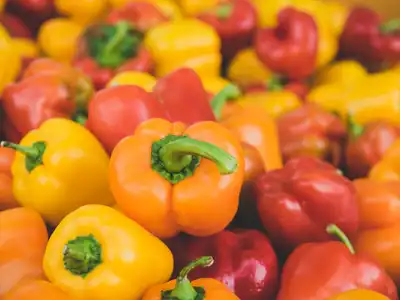
Can You Freeze Bell Peppers?
Yes, you can freeze bell peppers without blanching. Wash, core, seed, and cut them, then pack them raw or tray-freeze the pieces first so they stay loose. The National Center for Home Food Preservation recommends raw-packed peppers for cooked or uncooked uses and gives a separate blanched method for cooked dishes. Expect a softer texture after freezing, so peppers work best in fajitas, stir-fries, soups, and stews rather than salads. For best quality, use them within about 8 to 12 months at 0°F (-18°C).
Sources & References
This information is based on official guidelines from trusted food safety authorities:
Freezing Corn
View Source →How to Preserve Corn - Utah State University Extension
View Source →How to Freeze Corn on the Cob
View Source →
About the Author

Disclaimer
The information on this website is provided for general informational purposes only. While we work to keep our food storage and freezing guides accurate and current, we are not food safety professionals, nutritionists, or medical experts, and our recommendations may not account for every individual circumstance, product type, or storage condition.
Always consult official food safety guidance (such as your national food safety agency) and use your own judgment before consuming stored or frozen food. CanIFreeze.com assumes no responsibility or liability for any loss, damage, illness, or other adverse outcome resulting from reliance on the information provided on this site.
CanIFreeze.com is a participant in the Amazon Associates Program, an affiliate advertising program designed to provide a means for sites to earn advertising fees by linking to Amazon.com and its affiliated sites. As an Amazon Associate we earn from qualifying purchases made through links on this site, at no extra cost to you. Product links are clearly marked where they appear.
Disclaimer date: