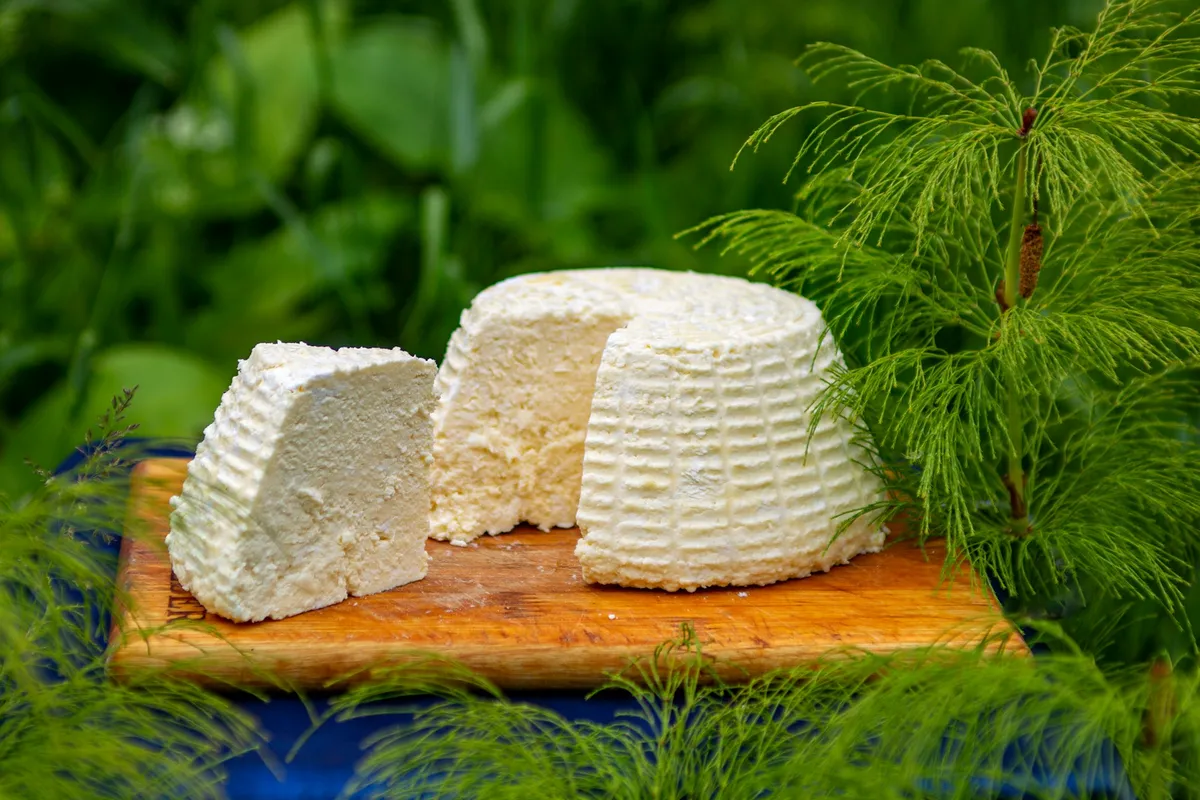
Official Storage Guidelines for Cottage Cheese
🇺🇸 USDA Guidelines
🇬🇧 FSA Guidelines
Disclaimer: This information is provided for general guidance only. It is based on publicly available USDA and FSA recommendations at the time of publication. Storage times may vary depending on handling, packaging, and storage conditions. Always check official sources and use your best judgment to ensure food safety.
This guide contains Amazon affiliate links, marked ↗. If you buy through one, we may earn a commission at no extra cost to you. Learn more about affiliate links.
Frequently Asked Questions
Can I use cottage cheese directly from frozen?
No, you should not use cottage cheese directly from frozen. Frozen cottage cheese needs proper thawing before use, preferably in the refrigerator for 24 hours.
While you could add small frozen portions directly to hot dishes like soups or sauces where they'll melt quickly, this method risks uneven heating and texture issues. The safest approach is refrigerator thawing, which maintains food safety by keeping the cheese in a controlled temperature environment.
When thawed in the fridge, cottage cheese stays below the danger zone where bacteria multiply rapidly. After thawing, you'll notice liquid separation, which is normal. Simply drain the excess whey and stir the curds gently to redistribute moisture.
If you're in a hurry, you can speed up thawing by placing the sealed container in cold water, changing the water every 30 minutes. This method takes about 2 hours depending on portion size.
Never use warm water or microwave thawing, as these create uneven heating, partial cooking, and increase food safety risks while degrading flavor and texture significantly.
Can cottage cheese be refrozen after thawed?
According to USDA guidelines, you should not refreeze cottage cheese once it has been thawed. This recommendation exists for both safety and quality reasons.
When cottage cheese thaws, it enters temperature zones where bacteria can multiply rapidly, especially if it spent any time at room temperature. Refreezing doesn't kill these bacteria, it simply pauses their growth temporarily.
Each freeze-thaw cycle also dramatically worsens the texture, making the cheese increasingly grainy, watery, and separated. The curds become more broken down with each cycle, and the overall quality deteriorates significantly.
If you thawed cottage cheese in the refrigerator and haven't let it sit out, it's technically safer than cheese thawed at room temperature, but the quality will still suffer tremendously from a second freeze.
This is why portioning cottage cheese before the initial freeze is so important. Divide it into recipe-sized amounts like half-cup or one-cup portions so you only thaw what you need.
Once thawed, plan to use the cottage cheese within 24 hours in cooked dishes where texture changes won't be as noticeable. Label portions clearly with freezing dates to rotate stock properly and avoid waste.
Does cottage cheese freeze well?
Cottage cheese doesn't freeze particularly well from a texture standpoint, but it's safe and nutritionally sound. The main issue is that cottage cheese has high moisture content, and when frozen, water forms ice crystals that rupture the delicate protein structure of the curds.
Upon thawing, the liquid separates from the solids, resulting in a grainier, more crumbly texture that's noticeably different from fresh cottage cheese. Many people describe thawed cottage cheese as looking curdled or watery.
However, full-fat cottage cheese freezes considerably better than low-fat or non-fat varieties because the higher fat content helps maintain some creaminess and binds the mixture better even after ice crystal formation.
The flavor remains largely intact, though some people detect a slightly tangier or less fresh taste after freezing. Nutritionally, freezing preserves the protein, calcium, and other beneficial nutrients quite well.
The real question isn't whether it freezes well, but whether you plan to use it appropriately afterward. For cooked dishes like lasagna, baked casseroles, pancakes, or blended smoothies, frozen-then-thawed cottage cheese performs admirably because these applications mask texture changes. For eating fresh with fruit or in cold salads, frozen cottage cheese falls short of expectations.
Best containers to freeze cottage cheese
The best containers for freezing cottage cheese are freezer-safe plastic bags or airtight rigid containers specifically designed for freezer storage.
Freezer bags work exceptionally well because you can spread cottage cheese into thin, flat layers that freeze and thaw more quickly and evenly. They're also space-efficient and allow you to squeeze out excess air, which minimizes freezer burn and oxidation.
Choose heavy-duty freezer bags rated for temperatures of 0F (-18C) or below. For added protection, use a double-bagging method by placing smaller portioned bags inside a larger gallon-size freezer bag.
Rigid airtight containers made from BPA-free plastic or glass also work well, especially for those who prefer reusable options. If using glass containers, leave about three-quarters of an inch of headspace because cottage cheese expands slightly when frozen. Make sure lids seal tightly to prevent moisture loss and freezer burn.
Some people successfully use silicone ice cube trays for freezing small tablespoon-sized portions, then transfer the frozen cubes to freezer bags for long-term storage. This method is perfect for adding small amounts to smoothies or recipes.
Avoid flimsy disposable containers or unsealed bags, as these allow air exposure and can impart off-flavors. Always label containers with the date, type of cottage cheese, and portion size using a permanent marker or freezer labels.
Best uses for cottage cheese after thawed
Thawed cottage cheese shines in cooked and baked applications where texture changes become virtually undetectable.
Lasagna is perhaps the most popular use, where cottage cheese serves as a creamy, protein-rich layer between pasta sheets. It works equally well in stuffed shells, manicotti, and other baked pasta dishes.
Casseroles are another excellent choice - the cheese melts into the dish and provides moisture and richness without anyone noticing it was previously frozen.
For breakfast, blend thawed cottage cheese into pancake or waffle batter for extra protein and a fluffy texture. It also works wonderfully in smoothies when blended with fruits, creating a creamy, thick consistency that masks any graininess.
Cheesecakes and baked goods like muffins or protein bars benefit from thawed cottage cheese, which adds moisture and nutrition. You can also incorporate it into savory dips by blending it with herbs, spices, and other ingredients - the blending process completely eliminates texture concerns.
Cottage cheese works in soups and sauces where it's stirred in toward the end of cooking for added creaminess. Some people successfully use it in egg scrambles or frittatas.
What you'll want to avoid is using thawed cottage cheese in fresh applications like topping with fruit, mixing into cold salads, or eating it plain by the spoonful. These uses highlight the texture changes and won't be satisfying.
Cottage Cheese Freezing and Storage Guide
Cottage cheese can absolutely be frozen, but there’s a catch. Most manufacturers don’t recommend it because freezing fundamentally changes the texture.
When you freeze cottage cheese, ice crystals form and rupture the delicate curd structure, causing the liquid to separate. After thawing, you’ll notice it becomes grainier, more crumbly, and less creamy than fresh cottage cheese.
That said, freezing is completely safe and preserves the nutritional value. If you’re facing a container nearing its expiration date, freezing beats throwing it away. The trick is managing expectations and knowing how to use it afterward.
Full-fat cottage cheese handles freezing better than low-fat or non-fat varieties. The extra fat helps maintain some creaminess even after the separation process.
Once thawed, cottage cheese works brilliantly in cooked applications where texture matters less - think lasagna, stuffed shells, casseroles, pancakes, smoothies, and baked goods. It’s also fine blended into dips or sauces.
Do not expect the same spoonable curds for eating plain with fruit or in a salad. Freeze only the amount you intend to cook, thaw it in the fridge, drain excess whey if necessary, and stir or blend before use. It works well in lasagna with frozen mozzarella, or in baking where the texture change is hidden; compare ricotta and cream cheese before substituting one dairy product for another.
What Freezing Does to Cottage Cheese
Cottage cheese is a suspension of curds in a liquid dressing. Ice crystals disrupt that structure, so thawing can leave separate whey and firmer, crumbly curds. Full-fat cottage cheese may seem creamier after thawing, but fat does not prevent all separation and brand formulations differ. Freezing is therefore a waste-reduction method for cooking, not a way to preserve the exact fresh texture.
How to Freeze Cottage Cheese
- Freeze it while fresh and continuously refrigerated. Do not freeze cottage cheese that has sat out beyond the two-hour limit.
- Stir gently to distribute the dressing, then divide it into recipe-size portions.
- Use airtight freezer containers, leaving a little headspace. If freezing in the original tub, confirm the container is freezer-safe and leave expansion room; otherwise transfer it.
- Label each portion with its volume or weight and date.
An unopened tub does not automatically gain extra refrigerated life after a freeze–thaw cycle. Retain the product label and follow any manufacturer warning against freezing.
How to Thaw and Restore It
Thaw cottage cheese in the refrigerator, not on the counter. Stir it thoroughly. Drain a little whey for lasagna or stuffed shells, where excess liquid can make the filling watery. For pancakes, muffins, sauces or smoothies, blending the curds can make the texture more uniform. Do not keep adding thickener before the cheese has fully thawed and been stirred because the apparent separation changes as it warms.
Recipes That Hide the Texture Change
Use thawed cottage cheese in lasagna, baked pasta, casseroles, egg bakes, pancakes, muffins and blended sauces. It is less successful as a fruit-topped snack, in a fresh salad or anywhere distinct creamy curds are the point. If a recipe requires ricotta, check its moisture needs rather than assuming cottage cheese is a one-for-one substitute.
Watery separation is expected. Mold, pink or green discoloration, gas, a rotten odor or an unknown period at room temperature are not normal freeze–thaw changes and warrant discarding the product.
Editor's Picks
Gear Worth Buying for Cottage Cheese
Stasher Stand-Up Mid Reusable Silicone Bag (56 oz)
A premium, reusable stand-in for disposable freezer bags - freezer, oven, and dishwasher safe.
Shop on AmazonRubbermaid Brilliance Airtight Food Storage Containers, 24-Piece Set
A complete, leak-proof set that covers nearly any portion size this guide calls for.
Shop on Amazon
As an Amazon Associate, we earn from qualifying purchases.
Important Safety Guidelines
- Always refrigerate cottage cheese at 40°F (4°C) or below immediately after purchase. Store it in the coldest part of your fridge, typically the back of the bottom shelf, not in the door where temperature fluctuates.
- Keep cottage cheese in its original container or transfer to an airtight container after opening. Never use the same spoon twice when scooping out portions, as this introduces bacteria that accelerate spoilage.
- Check for signs of spoilage before consuming. Discard cottage cheese if it develops an off smell, sour odor, mold, unusual discoloration, or excessively watery or slimy texture. When in doubt, throw it out.
- Never leave cottage cheese at room temperature for more than 2 hours, or 1 hour if the temperature exceeds 90°F (32°C). Bacterial growth accelerates rapidly in the danger zone between 40°F and 140°F (4°C and 60°C).
- Do not refreeze cottage cheese once it has been thawed. Thawing allows bacteria to multiply, especially if the cheese sat at room temperature. Refreezing doesn't kill these bacteria and significantly degrades quality.
- Thaw frozen cottage cheese only in the refrigerator, never on the counter. Place the sealed container on the bottom shelf and allow 24 hours for complete thawing. Small portions thaw faster than large containers.
- Use thawed cottage cheese within 24 hours for best safety and quality. After thawing, drain excess liquid and stir well before using in recipes.
- Pregnant women, elderly individuals, young children, and people with weakened immune systems should be especially cautious with cottage cheese and avoid consuming any that shows signs of spoilage or has been improperly stored.
- Always practice good hygiene when handling cottage cheese. Wash hands thoroughly before and after touching dairy products, and use clean utensils every time.
Key Safety Reminders
- Always label containers with freezing date
- Use airtight containers to prevent freezer burn
- Follow proper thawing procedures
You Might Also Like
Can You Freeze Butter?
Yes - butter freezing is safe and handy. Freeze sticks or blocks tightly wrapped to block air, keep your freezer at 0°F / -18°C, and thaw in the fridge. Quality is best within 6–9 months (USDA FoodKeeper). Salted butter usually holds flavor longer than unsalted because salt slows oxidation.

Can You Freeze Cheese?
Yes, most hard and semi-hard cheeses (cheddar, Swiss, gouda) can be frozen for later cooking. Keep them cold (40°F / 4°C), wrap tightly, and expect a slightly crumblier bite after thawing. Soft fresh cheeses (ricotta, cream cheese) don't freeze well. When in doubt, freeze grated portions - cheese freezing works best that way.

Can You Freeze Cream Cheese?
Yes - cream cheese freezing is safe but not ideal. Freeze only if you must, because thawed cream cheese turns crumbly and grainy. For safety, keep it fridge-cold at 40°F / 4°C, freeze at 0°F / −18°C, and follow country guidance: the USDA doesn't recommend freezing; the UK FSA gives no specific freezer time.
Can You Freeze Eggnog?
Yes - eggnog can be frozen if it's the commercial, pasteurized kind; the USDA's consumer chart lists "Eggnog, commercial" as freezer-safe for up to 6 months (0°F / −18°C). Homemade eggnog should not be frozen, and both types must be kept cold: 40°F / 4°C or below. Always check labels and use pasteurized eggs.
Sources & References
This information is based on official guidelines from trusted food safety authorities:
Freezing Cheese
View Source →Cold Food Storage Chart - FoodSafety.gov
View Source →How long can you keep dairy products like yogurt, milk, and cheese in the refrigerator?
View Source →Chilling food - Food Standards Scotland (FSA)
View Source →Food Storage Best Practices
View Source →
About the Author

Disclaimer
The information on this website is provided for general informational purposes only. While we work to keep our food storage and freezing guides accurate and current, we are not food safety professionals, nutritionists, or medical experts, and our recommendations may not account for every individual circumstance, product type, or storage condition.
Always consult official food safety guidance (such as your national food safety agency) and use your own judgment before consuming stored or frozen food. CanIFreeze.com assumes no responsibility or liability for any loss, damage, illness, or other adverse outcome resulting from reliance on the information provided on this site.
CanIFreeze.com is a participant in the Amazon Associates Program, an affiliate advertising program designed to provide a means for sites to earn advertising fees by linking to Amazon.com and its affiliated sites. As an Amazon Associate we earn from qualifying purchases made through links on this site, at no extra cost to you. Product links are clearly marked where they appear.
Disclaimer date: