
Official Storage Guidelines for Pumpkin Pie
🇺🇸 USDA Guidelines
🇬🇧 FSA Guidelines
Disclaimer: This information is provided for general guidance only. It is based on publicly available USDA and FSA recommendations at the time of publication. Storage times may vary depending on handling, packaging, and storage conditions. Always check official sources and use your best judgment to ensure food safety.
This guide contains Amazon affiliate links, marked ↗. If you buy through one, we may earn a commission at no extra cost to you. Learn more about affiliate links.
Frequently Asked Questions
Can I eat pumpkin pie directly from frozen?
You can eat it while it is still frozen, but most people regret it two bites in. The filling is stiff and the crust can feel like a cold brick.
More importantly, the usual shortcut is to leave a slice on the counter, and that can push a custard pie into the temperature danger zone.
The safest and best tasting method is fridge thawing at 40 F or 4 C or colder.
For a whole pie, plan on an overnight thaw.
For slices, move one slice to the fridge and it is often ready by the next day.
If you want it sooner, microwave a slice on low power in short bursts. Stop when it is thawed but still cool, not warm. Eat it right away.
One extra tip: slice the pie while it is very cold so pieces stay clean. If you prefer warm pie, reheat only what you will eat, then put the rest back in the fridge promptly.
Can pumpkin pie be refrozen after thawed?
Pumpkin pie can be refrozen only if it thawed safely.
USDA freezing guidance notes that food thawed in the refrigerator can be refrozen, though quality may drop.
So if your pie thawed in the fridge at 40°F or 4°C or colder and stayed cold the whole time, you can refreeze it.
Expect a softer custard texture and a less crisp crust after the second thaw. Cutting the pie into slices before refreezing helps, because slices freeze faster and thaw with less time sitting around. Wrap each slice well, then place the slices in a rigid freezer safe container.
Do not refreeze if the pie thawed on the counter or sat out too long. If it was out for more than 2 hours, or more than 1 hour above 90°F or 32°C, the safe move is to discard it.
When in doubt, choose safety over saving a slice.
Does pumpkin pie freeze well?
Pumpkin pie freezes fairly well, but it is not identical to fresh. Since the filling is custard based, freezing can change the structure a bit.
After thawing you might see a little moisture on top, and the custard may feel slightly softer.
The crust can lose crispness, especially if the pie was not wrapped tightly.
The biggest quality killer is freezer burn. That happens when cold, dry air pulls moisture out of the pie, leaving dry spots and off flavors.
Tight wrapping plus a rigid container helps a lot.
For timing, the USDA cold food storage chart lists 1 to 2 months in the freezer for pumpkin pie quality.
The UK FSA gives broader guidance that baked goods are best used within 3 to 4 months, but custard pies usually taste best sooner.
If you stay within the USDA window, pumpkin pie freezing usually delivers a slice that still feels like the real thing.
Best containers to freeze pumpkin pie
The best container is the one that blocks air and protects the crust from being crushed. For a whole pie, use a wrap plus a rigid shell approach.
First, chill the pie completely. Freeze it uncovered for about an hour until the top is firm. Then wrap it snugly so the wrap touches the surface, and add a second outer layer to seal out air.
Next, put the wrapped pie into a rigid, freezer safe container or a pie carrier. This prevents dents and keeps the crust from snapping.
For slices, wrap each slice individually, then store the slices in a lidded container so they stay flat and do not absorb freezer smells.
Reusable freezer containers work well for people who freeze often, while heavy freezer bags plus a firm tray are a good budget option.
Whatever you choose, label it with the date so you can stay inside the best quality window.
Best uses for pumpkin pie after thawed
After thawing, the simplest use is the classic slice, served chilled or lightly warmed. If you have leftovers, you can also turn them into quick snacks and breakfasts, especially if you are tired of plain dessert.
One easy move is to scoop the filling away from the crust and stir it into oatmeal with cinnamon and a pinch of salt. It tastes like pumpkin spice breakfast without the fuss.
Another is a pumpkin pie shake: blend a chunk of filling with milk and ice, then top with whipped cream if you feel fancy.
You can fold the filling into plain yogurt for a quick parfait with granola, or spoon it over pancakes or waffles.
If the crust is soggy, toast pieces of crust in the oven until crisp and use them like cookie crumbs on top of ice cream.
Keep food safety in mind and return the pie to the fridge quickly after serving.
Pumpkin Pie Freezing and Storage Guide
Yes, you can freeze pumpkin pie, and it is a smart way to get dessert handled before a busy weekend or holiday meal.
Pumpkin pie is a custard style pie, so treat it like a perishable food. Cool it quickly and get it into the fridge within 2 hours.
The USDA cold food storage chart lists pumpkin or pecan pie at 3 to 4 days in the refrigerator at 40ºF or 4ºC or colder, and 1 to 2 months in the freezer for best quality at 0ºF or minus 18ºC or colder.
Pumpkin pie freezing works best when you freeze the pie solid first, then wrap it tight so air cannot dry it out.
Over time, the custard can weep a little and the crust can soften, so do not push it to the back of the freezer and forget it.
Thaw overnight in the fridge, slice, and serve. If you need to speed things up, thaw individual slices in the microwave and eat right away. Do not apply the same advice to every custard pie: FoodSafety.gov lists pumpkin pie for 1 to 2 months of freezer quality but says conventional custard and chiffon pies do not freeze well. For other make-ahead desserts, compare the separate cheesecake freezing guide.
How to Freeze a Whole Pumpkin Pie
- Bake the pie completely. Freezing does not finish an underbaked custard or correct an unsafe recipe.
- Cool it promptly, then refrigerate until the filling is thoroughly cold. Do not leave a homemade egg-and-milk filling at room temperature beyond the two-hour food-safety limit.
- Place the cold pie uncovered in the freezer just until the surface is firm. This short pre-freeze keeps wrapping from sticking; it is not the final packaging.
- Wrap the pie closely in freezer-grade wrap, then add a second moisture-vapor-resistant layer. Put it in a rigid container or pie box for protection from crushing.
- Label and use within FoodSafety.gov’s 1-to-2-month window for best quality.
A disposable aluminum pie pan is often more practical than thick ceramic or glass because it freezes faster and avoids thermal-shock concerns. Never move ordinary glass directly between extreme temperatures unless its maker explicitly permits it.
Freezing Pumpkin Pie by the Slice
Chill the pie first so it cuts cleanly. Place slices on a lined tray until firm, wrap each one closely and store the wrapped slices together in a rigid airtight container. Individual portions thaw faster and let you remove dessert without exposing the remaining pie to repeated temperature changes.
Whipped cream is best added after thawing. Decorative toppings, sugared nuts and delicate pastry garnishes can become wet or soft, so pack them separately. A supermarket pie may contain stabilizers and may follow different storage instructions; the package directions take priority over a general homemade-pie guide.
How to Thaw Without a Soggy Crust
Move the still-wrapped pie to the refrigerator and thaw overnight. Keeping the wrapping on while it thaws encourages condensation to form on the packaging rather than directly on the filling. Once thawed, unwrap and serve chilled or warm individual slices gently. The crust may still soften because moisture migrates from custard into pastry; freezing cannot eliminate that physical change.
Do not thaw the whole pie on the counter. Discard a perishable pie that has remained above 40°F/4°C for more than 2 hours, or for more than 1 hour in temperatures above 90°F/32°C. Do not refreeze or taste-test it.
Editor's Picks
Gear Worth Buying for Pumpkin Pie
Stasher Stand-Up Mid Reusable Silicone Bag (56 oz)
A premium, reusable stand-in for disposable freezer bags - freezer, oven, and dishwasher safe.
Shop on AmazonRubbermaid Brilliance Airtight Food Storage Containers, 24-Piece Set
A complete, leak-proof set that covers nearly any portion size this guide calls for.
Shop on Amazon
As an Amazon Associate, we earn from qualifying purchases.
Important Safety Guidelines
- Keep pumpkin pie out of the danger zone, 40 to 140°F or 4 to 60°C, and do not leave it out longer than 2 hours, or 1 hour above 90°F or 32°C
- Refrigerate the pie and leftovers within 2 hours in a fridge at 40°F or 4°C or colder
- If it sat out too long, do not taste it to check, throw it away
- Chill leftovers in shallow containers so they cool fast, and keep the pie covered
- Cool a fresh baked pie fully, then chill it in the fridge before freezing
- Freeze uncovered until the top is firm, then wrap tightly to block air
- Use an inner wrap that touches the surface plus a second outer layer, then protect the crust with a rigid container
- Label the freeze date, because the USDA best quality window for pumpkin pie freezing is 1 to 2 months
- Keep the freezer at 0°F or minus 18°C or colder and avoid frequent door opening
- Thaw in the refrigerator, not on the counter
- Once fully defrosted, keep it cold and in the UK consider the FSA advice to use within 24 hours
- Microwave thawed slices should be eaten right away, then return remaining pie to the fridge promptly
Key Safety Reminders
- Always label containers with freezing date
- Use airtight containers to prevent freezer burn
- Follow proper thawing procedures
You Might Also Like
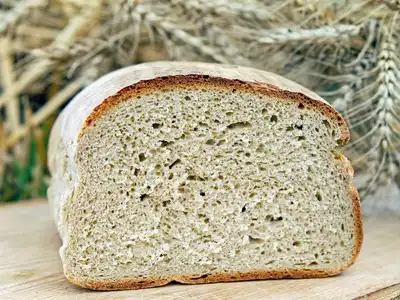
Can You Freeze Bread?
Yes, bread is one of the best foods you can freeze - in fact, freezing is the single best way to store bread beyond a day or two, better than the counter and much better than the fridge. Wrapped well and frozen at 0°F (-18°C), a loaf holds its texture and flavor for 3-5 months, and slices go straight from freezer to toaster with no real quality hit. The one thing freezing can't fix is bread that's already stale or moldy going in, so freeze it while it's fresh, not as a last resort.
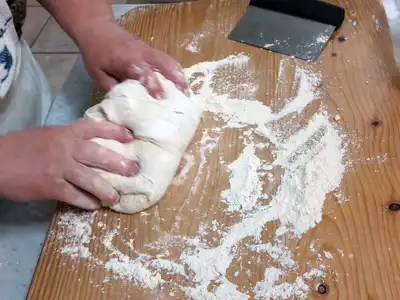
Can You Freeze Bread Dough?
Yes, you can freeze yeast bread dough, but home-frozen dough may rise less than fresh dough because slow freezing damages yeast and weakens gluten. For the most predictable result, use a freezer-dough recipe, freeze shaped portions after the first rise, seal them well, and use them within 1 month.
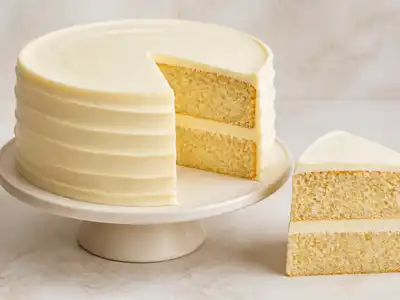
Can You Freeze Cake?
Yes, you can freeze cake, and for most types it works very well. Plain or buttercream-frosted cake holds good quality for roughly 3 to 6 months in the freezer, while cakes topped with egg-white frostings, custard fillings, or fondant hold up far worse and are better off frozen plain. Layer cakes, sponge cakes, and sheet cakes all freeze the same basic way: cool completely, wrap airtight in a rigid container so nothing gets crushed, and keep the freezer at 0°F (-18°C) or below. Cheesecake behaves differently enough, thanks to its dense dairy filling, that it's worth checking the dedicated cheesecake freezing guide rather than treating it like an ordinary cake.
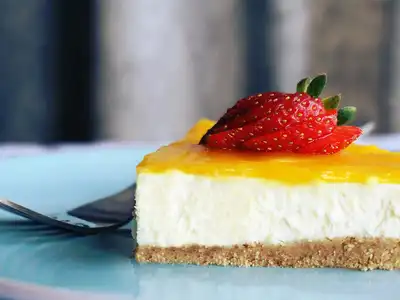
Can You Freeze Cheesecake?
Yes, you can freeze cheesecake for up to 3 months with excellent results. The high fat content from cream cheese makes it ideal for freezing. Wrap it tightly after chilling to prevent freezer burn, and always thaw in the refrigerator overnight. Skip adding toppings until after thawing for best quality.
Sources & References
This information is based on official guidelines from trusted food safety authorities:
Cold Food Storage Chart - FoodSafety.gov
View Source →How to chill, freeze and defrost food safely
View Source →
About the Author

Disclaimer
The information on this website is provided for general informational purposes only. While we work to keep our food storage and freezing guides accurate and current, we are not food safety professionals, nutritionists, or medical experts, and our recommendations may not account for every individual circumstance, product type, or storage condition.
Always consult official food safety guidance (such as your national food safety agency) and use your own judgment before consuming stored or frozen food. CanIFreeze.com assumes no responsibility or liability for any loss, damage, illness, or other adverse outcome resulting from reliance on the information provided on this site.
CanIFreeze.com is a participant in the Amazon Associates Program, an affiliate advertising program designed to provide a means for sites to earn advertising fees by linking to Amazon.com and its affiliated sites. As an Amazon Associate we earn from qualifying purchases made through links on this site, at no extra cost to you. Product links are clearly marked where they appear.
Disclaimer date: