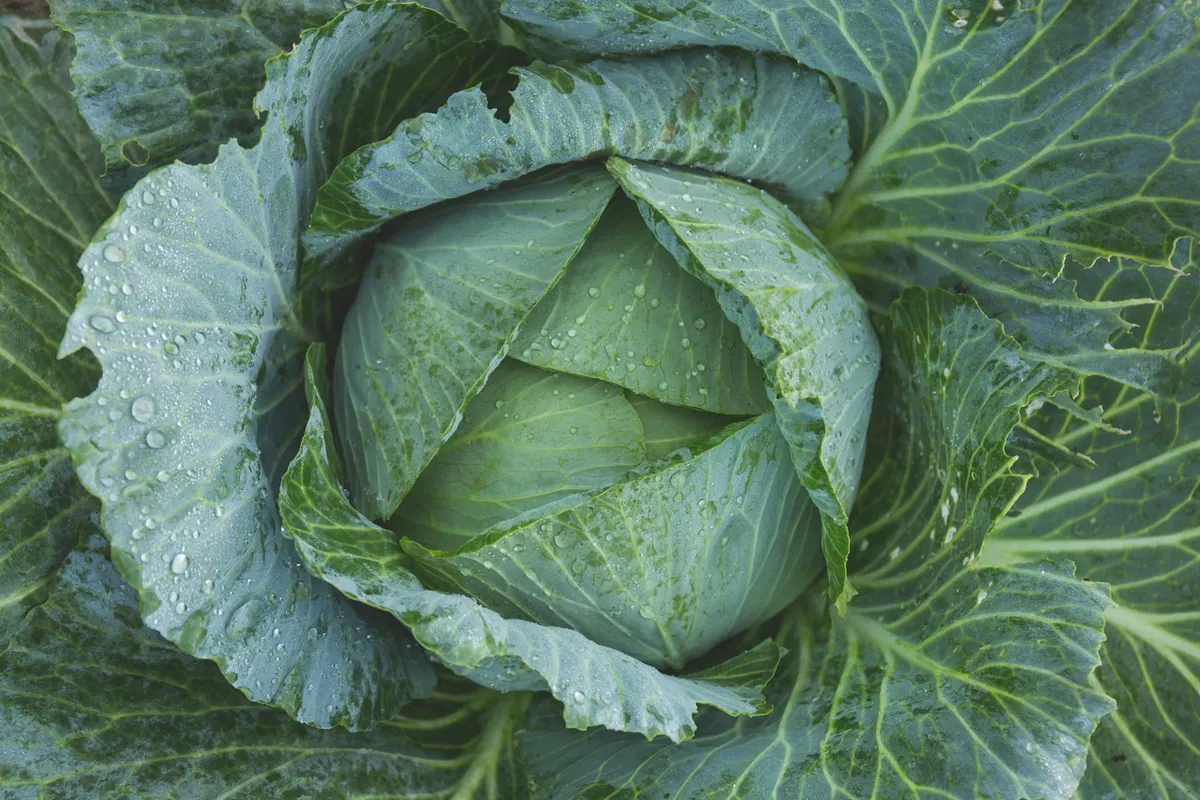
Official Storage Guidelines for Cabbage
🇺🇸 USDA Guidelines
🇬🇧 FSA Guidelines
Disclaimer: This information is provided for general guidance only. It is based on publicly available USDA and FSA recommendations at the time of publication. Storage times may vary depending on handling, packaging, and storage conditions. Always check official sources and use your best judgment to ensure food safety.
This guide contains Amazon affiliate links, marked ↗. If you buy through one, we may earn a commission at no extra cost to you. Learn more about affiliate links.
Frequently Asked Questions
Can I cook cabbage directly from frozen?
Yes, and actually this is the preferred method for using frozen cabbage. There's no need to thaw it first - you can toss frozen cabbage directly into soups, stews, stir-fries, and casseroles. The National Center for Home Food Preservation confirms that frozen blanched vegetables cook up just fine when added straight from the freezer.
For soups and stews, drop the frozen cabbage in during the last 10-15 minutes of cooking. It'll thaw and heat through quickly without turning to mush. In stir-fries, add frozen cabbage to your hot wok or pan with a splash of liquid to help it cook evenly - the high heat will thaw it fast while keeping some texture. For casseroles, layer it in frozen and extend your baking time by 10-15 minutes to account for the extra moisture.
One thing to keep in mind: frozen cabbage releases more water than fresh cabbage as it cooks. This is totally normal and happens because freezing damages cell walls. If you're making something where excess liquid is a problem, you might want to thaw the cabbage in the fridge first, then drain off the liquid before using. But for most applications - especially liquid-based dishes - cooking from frozen works great and saves time.
The texture will be softer than fresh cabbage, which is why frozen cabbage only works in cooked dishes. But that tender texture is actually perfect for long-simmered soups, braised cabbage with bacon, or stuffed cabbage rolls where you want the leaves pliable anyway.
Can cabbage be refrozen after thawed?
Yes, you can safely refreeze cabbage that was thawed in the refrigerator and kept at 40°F (4°C) or below, but quality takes a serious hit. The USDA confirms that any food thawed in the fridge can be refrozen without cooking, though there will be texture and moisture loss. For cabbage, which already loses its crisp texture after the first freeze, refreezing makes it even mushier and less appealing.
Here's what happens during repeated freeze-thaw cycles: ice crystals form and puncture cell walls each time. With cabbage, those damaged cells release water and create a limp, soggy texture. After refreezing once-thawed cabbage, you're looking at something that's still safe to eat but pretty unappetizing, even in cooked dishes where texture matters less.
If your thawed cabbage sat at room temperature for more than 2 hours (or 1 hour above 90°F/32°C), don't refreeze it - throw it away. Bacteria multiply rapidly in that temperature danger zone, and freezing doesn't kill bacteria, it just puts them on pause. Once thawed, those bacteria wake back up and get to work.
The smarter approach if you've thawed too much cabbage? Cook it first, then freeze the finished dish. Cabbage soup, coleslaw (if you haven't added dressing yet), stir-fried cabbage, or stuffed cabbage rolls all freeze well after cooking. This way you're not dealing with the double texture damage that comes from refreezing raw or blanched cabbage.
Does cabbage freeze well?
Cabbage freezes reasonably well with the right expectations. The National Center for Home Food Preservation and multiple university extensions confirm that properly blanched cabbage maintains good quality for 9-12 months in the freezer. But there's a major caveat: frozen cabbage is only suitable for cooked applications. It completely loses the crisp, crunchy texture that makes fresh cabbage great in slaws and salads.
The texture change happens because freezing forms ice crystals that puncture cell walls. When you thaw cabbage, those damaged cells release moisture, leaving you with limp, soft leaves. This is why you'll never see frozen cabbage marketed for fresh eating. However, for cooked dishes where you want tender cabbage anyway - soups, stir-fries, braised cabbage, stuffed rolls - frozen cabbage actually works beautifully.
Michigan State University Extension research shows that vacuum-sealed cabbage in a deep freeze can last up to 14 months while maintaining quality. Regular freezer bags in a standard freezer give you about 9 months. The key is proper blanching first - that 90-second to 4-minute hot water bath (depending on how you cut it) stops enzyme activity that would otherwise cause color, flavor, and nutrient loss during storage.
Flavor stays remarkably true to fresh cabbage, especially if you use it within the first 6-8 months. You might notice the cooked frozen cabbage releases more water than fresh, but that's normal and won't affect most recipes. Bottom line: Don't freeze cabbage expecting to make coleslaw later, but do freeze it if you love cabbage soup, stir-fries, or casseroles and want to preserve your harvest.
Best containers to freeze cabbage
Heavy-duty freezer bags are your best bet for freezing cabbage because they're space-efficient and you can squeeze out excess air to prevent freezer burn. Look for bags specifically labeled "freezer bags" - they're thicker than regular storage bags and provide better protection. When filling them, press the cabbage down flat, then roll the bag from bottom to top while sealing to push out air. Flat-packed bags stack beautifully in the freezer and thaw faster when needed.
Vacuum-sealer bags are even better if you have the equipment. They remove virtually all the air, which dramatically extends quality and prevents freezer burn. University extension research shows vacuum-sealed cabbage lasts up to 14 months versus 9 months in regular bags. The investment in a vacuum sealer pays off if you freeze vegetables regularly.
Rigid plastic freezer containers work well for blanched shredded cabbage, especially if you're portioning it for specific recipes. Wide-mouth containers make it easy to scoop out what you need while the rest stays frozen. Just remember to leave about 1/2 inch headspace because cabbage can expand slightly when frozen. Make sure your containers are labeled "freezer-safe" - regular food storage containers can crack at freezing temperatures.
Whatever container you choose, label it clearly with contents, date, and how you cut it (shredded, wedges, leaves). Write something like "cabbage shreds, blanched 1.5 min, frozen 1/15/26" so you know exactly what you've got and when to use it by. This organization saves you from mystery packages and helps you rotate stock properly. If you're freezing for cabbage rolls specifically, consider freezing individual leaves separated by parchment paper so you can peel off just what you need.
Best uses for cabbage after thawed
Thawed cabbage shines in soups and stews where its soft texture is actually an advantage. Classic cabbage soup, minestrone, borscht, and unstuffed cabbage soup all taste fantastic with frozen cabbage. Just add it during the last 15-20 minutes of cooking so it heats through without turning to mush. The flavor stays true to fresh cabbage, and nobody will know you used frozen.
Stir-fries and sautéed dishes work great with frozen cabbage too. Toss it into a hot wok with garlic, ginger, and soy sauce for a quick side dish. Mix it with noodles for lo mein, add it to fried rice, or cook it with bacon and onions as a German-style side. The key is high heat and quick cooking - this helps evaporate the extra moisture that frozen cabbage releases.
Stuffed cabbage rolls are actually easier to make with frozen cabbage leaves. The freezing process makes the leaves more pliable without the lengthy blanching you'd need for fresh cabbage. Thaw the leaves in the fridge, fill them with your meat and rice mixture, roll them up, and bake in tomato sauce. Some cooks swear by frozen leaves for this exact purpose.
Casseroles and baked dishes love frozen cabbage. Layer it in lasagna, mix it into shepherd's pie, add it to breakfast casseroles with eggs and sausage, or bake it with cream and cheese as a gratin. Penn State Extension notes that cabbage works in any cooked application where texture isn't critical. You can also mix thawed, chopped cabbage into meatloaf, dumplings, or pierogi filling. Just avoid using frozen cabbage for anything raw - no slaws, no salads, no fresh garnishes. The texture just isn't there anymore.
Cabbage Freezing and Storage Guide
Freezing cabbage is a smart way to preserve your harvest or take advantage of sales, but you need to adjust your expectations about how you’ll use it later. The National Center for Home Food Preservation is crystal clear: frozen cabbage is only suitable as a cooked vegetable. That crispy texture that makes fresh cabbage perfect for slaws and salads? Gone after freezing.
The key to successfully freezing cabbage is blanching - a brief heat treatment that stops enzyme activity. Without blanching, enzymes in the cabbage continue breaking down nutrients and changing the color and flavor during storage. Penn State Extension explains that you need to blanch cabbage wedges for 2 minutes, quarters for 4 minutes, or shredded cabbage for just 90 seconds in boiling water. After blanching, immediately plunge it into ice water for the same amount of time to stop the cooking process.
You’ve got options for how to prep your cabbage before freezing. You can cut it into medium to coarse shreds, slice it into thin wedges, or simply separate the leaves. Michigan State University Extension notes that frozen cabbage stores well for 9 months in regular freezer bags, or up to 14 months in vacuum-sealed bags in a deep freeze. The colder and more airtight your storage, the better the quality you’ll maintain.
Frozen cabbage will not work like fresh cabbage in slaw or salad: official prepared-food guidance describes thawed raw cabbage as limp and waterlogged. Use it from frozen in soup, stir-fries, casseroles, or with bacon and onions. Whole leaves can be frozen specifically for cabbage rolls because softening makes them pliable. For a fermented alternative with a different storage profile, see the sauerkraut guide.
How to Freeze Cabbage Properly
- Select solid, freshly harvested heads. Remove coarse outer leaves, wash and inspect between leaves for insects.
- Cut the head into medium-to-coarse shreds or thin wedges, or separate individual leaves for rolls. Keep the pieces consistent so they heat evenly.
- Water-blanch shredded cabbage or thin wedges for 1½ minutes, following the National Center for Home Food Preservation method.
- Cool immediately in ice water for about 1½ minutes, then drain very thoroughly.
- Pack in recipe-size amounts, remove excess air and freeze promptly. Tray-freezing drained shreds first makes them easier to portion.
Some extension publications give different times for large wedges or quarters. That is a reason to follow one complete tested method, including its specified cut size, rather than combining a thick quarter with the timing intended for thin wedges.
Freezing Cabbage Leaves for Rolls
Separate intact leaves, blanch them using the tested guidance, cool and pat dry. Stack portions with freezer paper between them and protect them in a rigid container so they do not crack. Thaw in the refrigerator just until flexible, fill and cook completely. Freezing softens leaves, which can make rolling easier, but it does not cook the filling or remove the need for safe meat temperatures.
Can You Freeze Raw Shredded Cabbage for Coleslaw?
Not with the expectation of fresh slaw. Ice crystals rupture the leaf cells, so thawed raw shreds release water and lose crunch. Cabbage can be frozen in a tested marinated “freezer slaw” formulation because its finished texture and acidity are intentionally different; ordinary dressed coleslaw, especially with mayonnaise, should not be assumed to behave the same way.
Cooking with Frozen Cabbage
Add shreds directly to hot soup, braises and stir-fries. Use high heat and avoid crowding when sautéing so released water evaporates. A sulfurous cabbage aroma can intensify with long cooking, so cook only until tender. Freezer burn is a dry quality defect; sliminess, mold or a rotten odor after thawing indicates spoilage.
Editor's Picks
Gear Worth Buying for Cabbage
Stasher Stand-Up Mid Reusable Silicone Bag (56 oz)
A premium, reusable stand-in for disposable freezer bags - freezer, oven, and dishwasher safe.
Shop on AmazonRubbermaid Brilliance Airtight Food Storage Containers, 24-Piece Set
A complete, leak-proof set that covers nearly any portion size this guide calls for.
Shop on Amazon
As an Amazon Associate, we earn from qualifying purchases.
Important Safety Guidelines
- Select only fresh, firm cabbage heads for freezing. Avoid any cabbage showing signs of decay, mold, soft spots, or insect damage, as these quality issues will only worsen during freezer storage.
- Thoroughly wash cabbage before blanching to remove any dirt, insects, or pesticide residues. Even though you'll be blanching it, starting with clean cabbage is essential for food safety.
- Remove coarse outer leaves and trim the cabbage as desired before blanching. These tough outer leaves don't freeze well and take up unnecessary space in your freezer.
- Use one gallon of boiling water per pound of prepared cabbage for blanching. Having enough water ensures the temperature doesn't drop too much when you add the cabbage, which would affect blanching effectiveness.
- Start timing blanching only when the water returns to a full boil after adding the cabbage. This ensures consistent results - if you start timing too early, your cabbage will be under-blanched and quality will suffer.
- Cool blanched cabbage immediately in ice water for the same duration as blanching time. This stops the cooking process and prevents the cabbage from becoming mushy. Drain thoroughly after cooling to remove excess water.
- Package cabbage tightly in freezer bags or rigid containers, removing as much air as possible. Air exposure causes freezer burn, which creates dry, discolored spots that affect both quality and taste.
- Label all packages with the contents and date before freezing. Even though frozen cabbage remains safe indefinitely at 0°F (-18°C), quality declines over time, so tracking dates helps you use it while it's still at its best.
- Never leave blanched cabbage at room temperature for more than 2 hours before freezing (or 1 hour if the temperature exceeds 90°F or 32°C). The temperature danger zone between 40°F and 140°F (4°C and 60°C) allows bacteria to multiply rapidly.
- Store frozen cabbage at 0°F (-18°C) or below for optimal quality preservation. Regular freezer compartments in some refrigerators may not maintain this temperature consistently, which can lead to quality loss.
Key Safety Reminders
- Always label containers with freezing date
- Use airtight containers to prevent freezer burn
- Follow proper thawing procedures
You Might Also Like
Can You Freeze Arugula?
Yes, you can freeze arugula (also called rocket in the UK, Ireland, Australia, and much of Europe - same plant, different name), but only for cooked uses. Blanch the leaves briefly, dry them well, and freeze for about 6-8 months of good quality in soups, sautés, and pasta dishes. Raw arugula wilts into a soggy, limp mess when frozen and thawed, so it's never coming back for salads. If you'd rather skip that texture loss altogether, blending arugula into pesto before freezing gives a noticeably better result than freezing the whole leaves.
Can You Freeze Asparagus?
Yes, you can freeze asparagus, but blanching first makes a real difference. Blanched and frozen properly, asparagus holds good quality for 8-12 months and works well in soups, stir-fries, and roasted side dishes. Skip the blanch and it'll still be safe to eat, but it fades in color and flavor within a month or two and turns noticeably tougher. Either way, frozen asparagus loses its raw crunch, so it's a cooked-dish ingredient from here on, not a salad or crudité one.
Can You Freeze Bean Sprouts?
Yes, you can freeze bean sprouts, but blanch them briefly first (they turn very watery and limp otherwise) and use them within 2-3 months for cooked dishes only - freezing doesn't bring back their crunch. More importantly: bean sprouts are one of the higher food-safety-risk vegetables you can buy, raw or frozen, because the warm, humid conditions that make seeds sprout also let bacteria like Salmonella and E. coli grow. Freezing pauses that bacterial growth but does not kill it - a July 2025 CDC/FDA investigation into Salmonella-contaminated frozen sprouted beans is a real, recent reminder of exactly that.
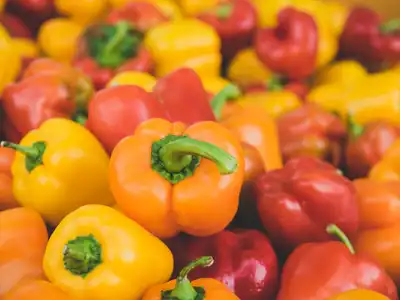
Can You Freeze Bell Peppers?
Yes, you can freeze bell peppers without blanching. Wash, core, seed, and cut them, then pack them raw or tray-freeze the pieces first so they stay loose. The National Center for Home Food Preservation recommends raw-packed peppers for cooked or uncooked uses and gives a separate blanched method for cooked dishes. Expect a softer texture after freezing, so peppers work best in fajitas, stir-fries, soups, and stews rather than salads. For best quality, use them within about 8 to 12 months at 0°F (-18°C).
Sources & References
This information is based on official guidelines from trusted food safety authorities:
Freezing Cabbage or Chinese Cabbage
View Source →Let's Preserve: Freezing Vegetables
View Source →Cabbage and Chinese Cabbage Storage and Preserving Tips
View Source →Freezing Cabbage
View Source →Freezing and Food Safety
View Source →How to chill, freeze and defrost food safely
View Source →
About the Author

Disclaimer
The information on this website is provided for general informational purposes only. While we work to keep our food storage and freezing guides accurate and current, we are not food safety professionals, nutritionists, or medical experts, and our recommendations may not account for every individual circumstance, product type, or storage condition.
Always consult official food safety guidance (such as your national food safety agency) and use your own judgment before consuming stored or frozen food. CanIFreeze.com assumes no responsibility or liability for any loss, damage, illness, or other adverse outcome resulting from reliance on the information provided on this site.
CanIFreeze.com is a participant in the Amazon Associates Program, an affiliate advertising program designed to provide a means for sites to earn advertising fees by linking to Amazon.com and its affiliated sites. As an Amazon Associate we earn from qualifying purchases made through links on this site, at no extra cost to you. Product links are clearly marked where they appear.
Disclaimer date: